Childcare in Hope Valley: How to Choose the Right Early Learning Centre
Choosing the right childcare is one of the most important decisions you will make as a parent. You want more than somewhere your child can spend the day. You want a safe, welcoming environment where they feel supported, develop new skills, build friendships and enjoy learning.
For families looking for childcare in Hope Valley, Adelaide, there are several early learning options in the surrounding north-eastern suburbs. From traditional long day care services to smaller Montessori learning environments, each centre offers a different approach to children’s development.
However, comparing childcare centres involves more than checking fees and operating hours. It is equally important to understand the learning program, educator relationships, safety standards, outdoor facilities and how the centre communicates with families.
This guide explains what parents should look for when choosing an early learning centre in Hope Valley, how the Child Care Subsidy works, and what makes different educational approaches worth considering.
Whether you are enrolling your toddler for the first time or looking for a preschool program before school begins, these practical tips will help you make a confident decision.
Why Choosing the Right Childcare in Hope Valley Matters
The early years play an important role in a child’s emotional, social, physical and cognitive development. The experiences children have during this period can help shape their confidence, independence and approach to learning.
Good childcare provides more than supervision. It creates opportunities for children to explore their surroundings, develop relationships, communicate with others and discover new interests.
For parents in Hope Valley and nearby suburbs, choosing a convenient centre can also make everyday family routines easier.
Here are some of the things local families commonly consider:
- Convenient operating hours: Care that fits around work, study and family commitments.
- Qualified educators: Caring professionals who understand children’s individual needs and developmental stages.
- Safe learning environments: Clean classrooms, secure entry points and suitable indoor and outdoor facilities.
- Meaningful learning experiences: Activities that encourage creativity, curiosity, communication and independence.
- Family communication: Regular updates about children’s activities, wellbeing and progress.
- Affordable childcare fees: Clear fee structures and access to the Child Care Subsidy (CCS), where eligible.
- School readiness: Experiences that help children develop confidence, social skills and early literacy and numeracy.
The best childcare centre is one that supports your child’s development while fitting comfortably into your family’s daily routine.
Exploring Childcare Options Around Hope Valley
Hope Valley is surrounded by residential communities and nearby suburbs, including Modbury, Highbury, Tea Tree Gully and areas around Grand Junction Road. This gives families access to a range of early learning and long day care services within the wider north-eastern Adelaide area.
Different centres cater to different age groups and family requirements.
Some offer care for babies and toddlers through to preschool age, while others focus on particular developmental stages or educational approaches.
When comparing local options, consider:
- The age groups accepted by the service.
- Available enrolment days and current vacancies.
- Opening and closing times.
- Indoor learning areas and outdoor play facilities.
- Educational philosophy and daily routines.
- Educator qualifications and consistency.
- Current National Quality Standard ratings.
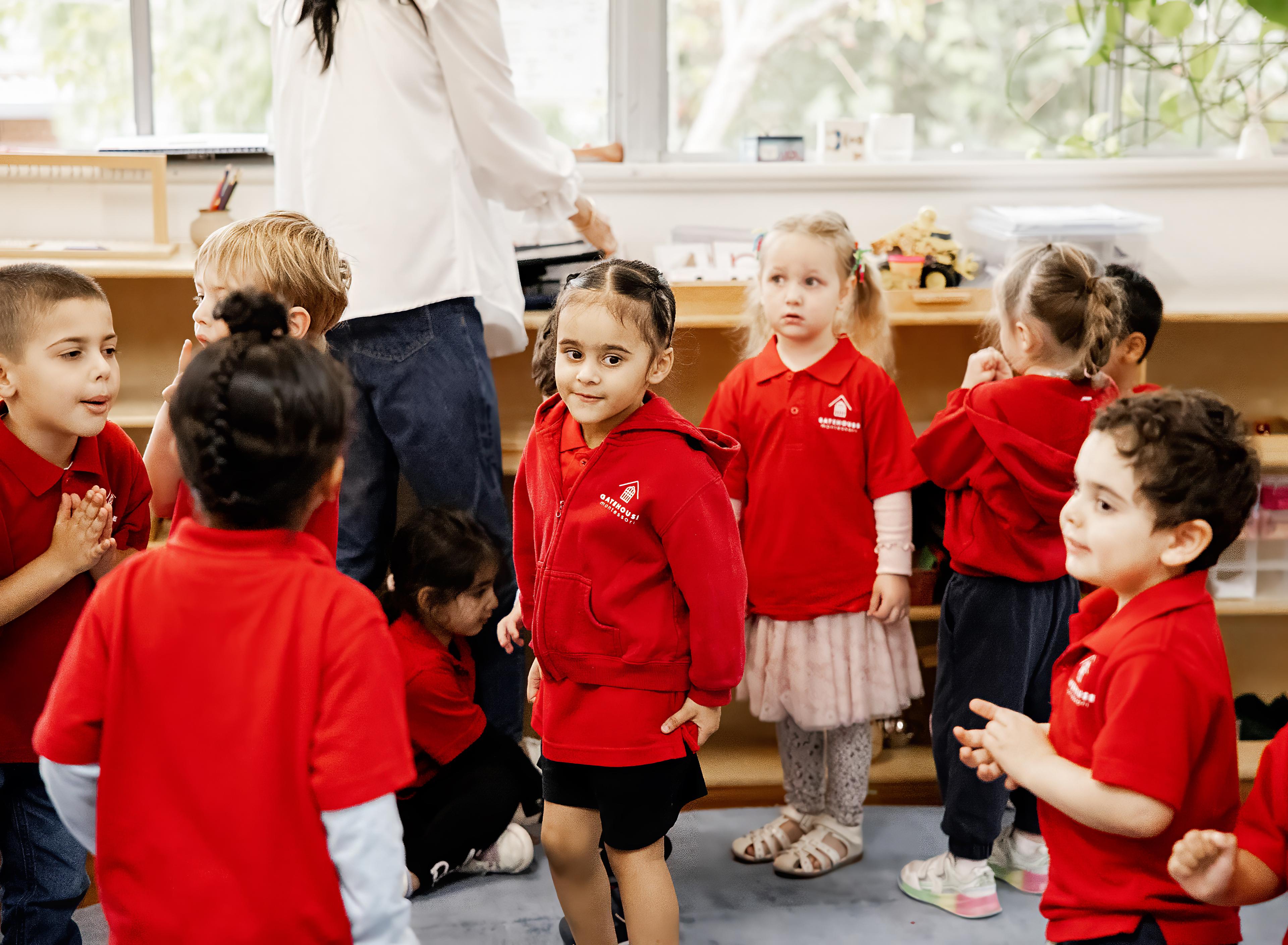
One local option is Gatehouse Montessori, located at 8 Yarrow Crescent, Hope Valley. It offers a Montessori-inspired early learning environment for children aged approximately 2½ to 6 years, with a mixed-age setting and a smaller enrolment approach.
Its advertised program includes full-day care from 7:30 am to 6:00 pm and a shorter Montessori learning cycle from 9:00 am to 3:30 pm. Parents should confirm current program arrangements, fees and availability directly with the centre.
Before making a decision, arrange a visit and ask educators how their daily program supports children’s individual interests and development.
What to Look for When Visiting an Early Learning Centre
A centre’s website and quality rating can provide useful information, but visiting in person gives you a much better understanding of the environment.
Try to visit during normal operating hours so you can observe how educators and children interact throughout the day.
1. Qualified and Caring Educators
Educators play a central role in your child’s early learning experience.
During your visit, observe how staff communicate with children. Do they listen patiently, encourage questions and respond warmly when a child needs help?
Children should feel comfortable approaching educators and expressing their needs.
Ask the centre about:
- Educator qualifications and early childhood experience.
- Staff-to-child ratios and supervision arrangements.
- Educator consistency and staff turnover.
- How new children are introduced to the environment.
- How educators support children’s emotional wellbeing.
Positive relationships help children develop a sense of security and belonging.
2. Safe, Clean and Stimulating Learning Environments
The physical environment should encourage exploration while maintaining appropriate safety standards.
Look for organised learning spaces, accessible materials, suitable furniture and clearly maintained indoor and outdoor areas.
Outdoor facilities are particularly important because children benefit from opportunities to move, climb, explore nature and develop physical coordination.
Check whether the centre has:
- Secure entry and collection procedures.
- Clean bathrooms and appropriate hygiene facilities.
- Safe outdoor play equipment.
- Shaded areas for outdoor activities.
- Suitable spaces for rest and quiet activities.
- Clear procedures for managing illness and emergencies.
A well-prepared environment should allow children to explore confidently while being appropriately supervised.
3. Learning Programs and Daily Activities
Ask how the centre plans learning experiences and supports different developmental stages.
A good early learning program should provide opportunities for children to develop language, communication, creativity, problem-solving, physical coordination and social skills.
In Australia, approved early childhood education and care services work within the Early Years Learning Framework (EYLF).
Ask how the centre connects everyday activities with children’s learning and development.
For example, painting, building, storytelling, gardening and practical activities can all support different skills.
4. Communication with Parents
Good communication helps parents feel connected to their child’s experiences, even when they cannot be present during the day.
Ask how the centre shares information about meals, activities, rest times, friendships and developmental progress.
Communication methods may include:
- Parent communication apps.
- Daily updates and photographs.
- Conversations during drop-off and collection.
- Learning observations and developmental reports.
- Parent-teacher meetings.
Look for a centre where educators are approachable and happy to discuss your child’s individual needs.
5. The Overall Atmosphere
Sometimes the most important details are the ones you notice without asking.
Do children appear interested in their activities? Are educators engaged? Does the environment feel welcoming and organised?
Notice whether children are given opportunities to make choices, interact with others and explore independently.
Trust your observations, ask questions and visit more than one centre if possible.
Understanding Childcare Fees and the Child Care Subsidy in Hope Valley
Childcare fees are an important consideration for families comparing early learning centres.
Costs vary depending on the provider, location, age group, operating hours and services included in the daily program.
Before enrolling, request a clear breakdown of the daily fee and any additional charges.
How Does the Child Care Subsidy Work?
The Australian Government’s Child Care Subsidy (CCS) helps eligible families reduce the cost of approved childcare.
The subsidy is generally paid directly to the approved childcare provider, reducing the amount families pay out of pocket.
The amount you receive depends on factors such as:
- Your family’s combined income.
- Your recognised activity or participation circumstances.
- The type of approved childcare service.
- The applicable hourly rate cap.
- Your child’s age and the current subsidy rules.
Eligible families may receive subsidised care under the current Child Care Subsidy arrangements, including the 3 Day Guarantee introduced in 2026.
The exact number of subsidised hours and the percentage covered depend on eligibility and current government rules.
How Can Parents Apply for CCS?
Families can generally manage their Child Care Subsidy application through myGov, linked to Centrelink.
You may need to provide information such as your child’s details, Customer Reference Number (CRN) and relevant enrolment information.
Before confirming your enrolment, ask the childcare centre whether it is an approved CCS provider.
You can also use the official Services Australia website to check current eligibility requirements and estimate your out-of-pocket childcare expenses.
Tip: Do not compare childcare centres using their advertised daily fees alone. Calculate the estimated amount you will actually pay after any applicable subsidy.
Why Some Families Choose a Montessori Early Learning Approach
When comparing childcare in Hope Valley, you may come across centres that offer Montessori education.
Montessori is an educational approach that encourages children to learn through exploration, purposeful activities and hands-on experiences.
Rather than relying entirely on teacher-led group instruction, Montessori environments give children opportunities to make choices, practise skills and work at their own pace with guidance from trained educators.
Here are some of the features that make this approach distinctive.
Mixed-Age Learning Environments
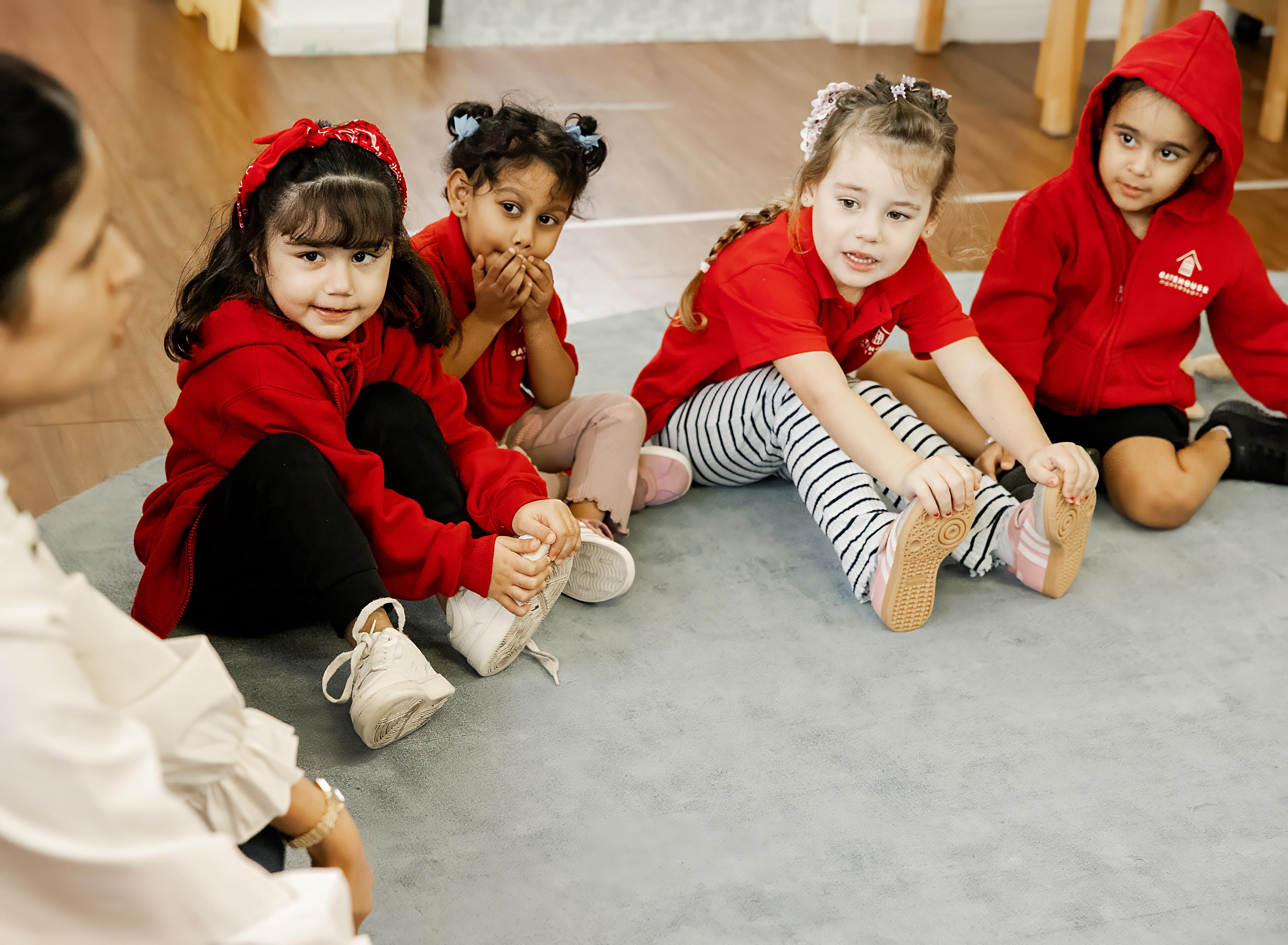
Montessori classrooms often bring children of different ages together within an appropriate developmental range.
This allows younger children to observe older classmates, while older children have opportunities to practise leadership, patience and cooperation.
Hands-On Learning Materials
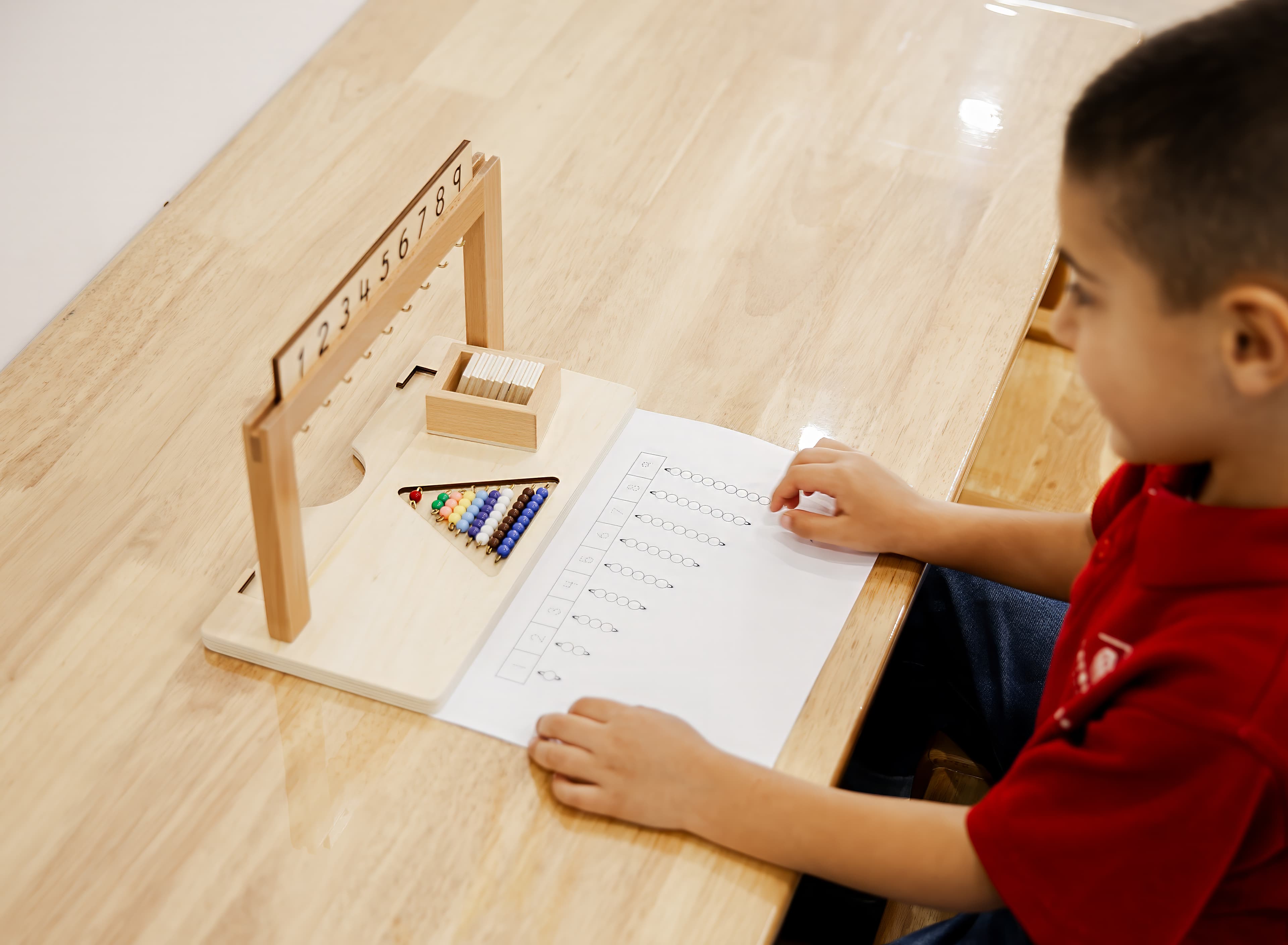
Children use carefully selected materials to explore concepts through movement, observation and practical experiences.
Activities may include sorting, counting, matching, pouring, building and exploring different textures.
These experiences can support concentration, coordination, problem-solving and early academic understanding.
Independence and Practical Life Skills
Practical life activities are an important part of Montessori education.
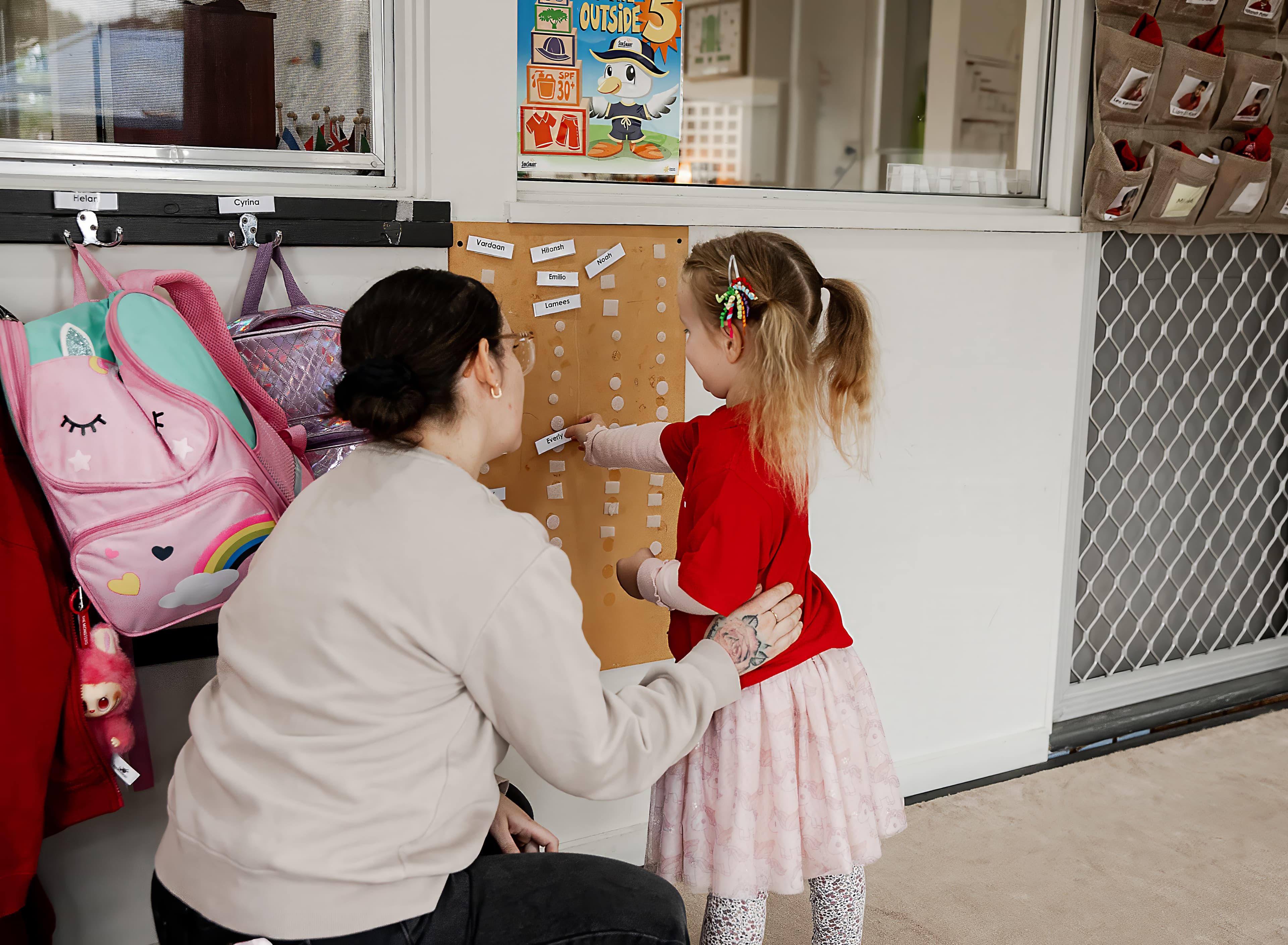
Children may practise everyday tasks such as pouring water, preparing simple food, arranging materials, cleaning a workspace and caring for plants.
These activities help children develop confidence, coordination and a growing sense of responsibility.
Concentration and Self-Directed Learning
Montessori environments often include longer periods of uninterrupted activity.
Children can spend time exploring tasks that interest them, repeating activities and gradually developing new skills.
Educators observe children’s progress and introduce suitable challenges when appropriate.
Is Montessori Right for Every Child?
Every child is different. Some children enjoy structured group activities, while others respond particularly well to opportunities for independent exploration.
Both Montessori and other early learning approaches can provide valuable experiences when implemented thoughtfully by qualified educators.
If you are considering a Montessori centre, ask how the philosophy is reflected in the actual daily program, what training educators have received and how children’s individual development is supported.
Discover Gatehouse Montessori in Hope Valley
For families interested in Montessori early learning, Gatehouse Montessori offers an option worth exploring in Hope Valley.
Located at 8 Yarrow Crescent, the centre provides a learning environment for children aged approximately 2½ to 6 years.
Its approach combines Montessori principles with the Australian Early Years Learning Framework, supporting children’s development through purposeful activities, exploration and practical experiences.
Some features parents can explore during a centre visit include:
- Mixed-age learning: Opportunities for children to learn alongside peers at different developmental stages.
- Practical life activities: Everyday experiences that encourage independence and coordination.
- Sensorial learning: Hands-on materials that help children explore their surroundings.
- Prepared learning spaces: Organised environments designed to support concentration and independent activity.
- Outdoor experiences: Opportunities for movement, play and exploration.
- Smaller learning community: An environment with an advertised enrolment capacity of approximately 30 children.
The centre advertises full-day hours from 7:30 am to 6:00 pm, along with a shorter Montessori cycle from 9:00 am to 3:30 pm.
Parents can arrange a visit to see the environment, meet educators and discuss whether the program suits their child’s needs.
A personal visit is the best way to understand how the Montessori approach works in practice.
Practical Tips for Choosing the Right Childcare Centre
Once you have shortlisted a few centres, take time to compare them carefully.
These steps can help you make a decision that works for your child and family.
1. Visit multiple centres: Try to compare at least two or three options rather than making a decision based only on online information.
2. Ask about current vacancies: Confirm whether the centre accepts your child’s age group and offers your preferred enrolment days.
3. Understand the settling-in process: Ask whether introductory visits or gradual transitions are available to help your child become familiar with the environment.
4. Review the daily routine: Find out how the centre balances learning activities, outdoor play, meals, rest and free exploration.
5. Check safety and quality information: Review the centre’s current assessment and rating information through the official StartingBlocks website.
6. Discuss additional needs: If your child requires additional support, ask about inclusion practices and how the centre works with families and relevant professionals.
7. Compare the actual costs: Request the daily fee, additional charges and an estimate of your out-of-pocket expenses after CCS.
8. Consider convenience: Think about travel time, parking, operating hours and how easily the centre fits into your everyday schedule.
A little research before enrolment can help make the transition much easier for everyone.
Frequently Asked Questions About Childcare in Hope Valley
What age do children start childcare in Hope Valley?
Many long day care centres accept babies from around six weeks of age, although minimum enrolment ages vary. Some smaller early learning and Montessori programs focus on older toddlers and preschool-aged children. Always confirm the age requirements with the individual centre.
How can I check the quality rating of a childcare centre?
You can search for an approved early childhood education and care service through the Australian Government’s StartingBlocks website. It provides service information and assessment ratings under the National Quality Framework.
What is the difference between childcare and an early learning centre?
Childcare generally refers to supervised care for children while parents work, study or manage other commitments. Early learning centres also provide structured educational experiences that support children’s social, emotional, physical and cognitive development. Many long day care services combine both.
Is Montessori the same as traditional childcare?
No. Montessori education places particular emphasis on mixed-age classrooms, hands-on learning materials, practical life skills and opportunities for self-directed learning. Other early learning centres may use different combinations of educator-led activities, group learning and play-based experiences.
Can parents receive Child Care Subsidy at a Montessori centre?
Yes, provided the centre is an approved childcare service and the family meets the relevant eligibility requirements. Contact the centre to confirm its approval status and speak with Services Australia about your subsidy entitlement.
What should I bring when my child starts childcare?
Most centres provide their own enrolment and packing checklist. Common items include spare clothes, a sun-safe hat, a labelled water bottle and any required personal care items. Ask about food, nappies, bedding and comfort items before the first day.
How early should I enrol my child in childcare?
It is sensible to begin researching and contacting centres several months before your preferred start date, particularly if you need specific days or a popular age group. Availability varies, so ask about current vacancies and waiting lists.
What should I look for in an outdoor childcare area?
Look for safe play equipment, suitable shade, age-appropriate activities and opportunities for children to run, climb, explore and interact with nature. Ask how outdoor play is supervised and adapted to different weather conditions.
How many days of childcare can I receive through CCS?
The number of subsidised hours depends on your eligibility under current Child Care Subsidy arrangements. The 3 Day Guarantee introduced in 2026 provides eligible families with at least 72 hours of subsidised care per fortnight, subject to applicable rules. Check Services Australia for your individual circumstances.
Is Gatehouse Montessori located in Hope Valley?
Yes. Gatehouse Montessori is located at 8 Yarrow Crescent, Hope Valley, South Australia. Families interested in its Montessori program can contact the centre directly to arrange a visit and discuss current enrolment availability.
Making the Right Childcare Choice for Your Family
Finding the right childcare in Hope Valley is about choosing an environment where your child feels safe, supported and encouraged to discover new things.
Whether you prefer a larger long day care centre with extended operating hours or a smaller learning environment with a particular educational philosophy, take the time to understand what each service offers.
Visit the classrooms, meet the educators, explore the outdoor areas and ask questions about daily routines, learning programs and fees.
For families interested in a Montessori approach, Gatehouse Montessori provides an opportunity to explore a smaller early learning environment in Hope Valley.
Would you like to see the environment for yourself?
Contact Gatehouse Montessori to arrange a centre tour and discuss its current program and enrolment options.
Gatehouse Montessori
Address: 8 Yarrow Crescent, Hope Valley, SA
Phone: 08 7230 0415
Email: admin@gatehousemontessori.com.au
Website: https://gatehousemontessori.com.au/
The right early learning environment can make a meaningful difference to your child’s early experiences. Take your time, compare your options and choose a place where your child can develop confidence, independence and a genuine love of learning.