10 Benefits of Montessori Education for Young Children
Parents searching for the right early learning environment often want more than basic care. They want an approach that respects their child’s natural development, builds real skills, and nurtures curiosity. Montessori education has offered this for over a century, and many families continue to choose it because of the clear, lasting advantages it provides.
This article explains the main benefits of Montessori education for young children in plain language. It draws on the core principles of the method and the everyday experiences reported by educators and families. Whether you are just beginning to explore options or comparing centres, these points will help you understand how Montessori learning supports children in the early years.
Outline
Introduction
What Makes Montessori Different
10 Key Benefits of Montessori Education
Who Benefits Most
Practical Considerations for Parents
FAQs
What Makes Montessori Different
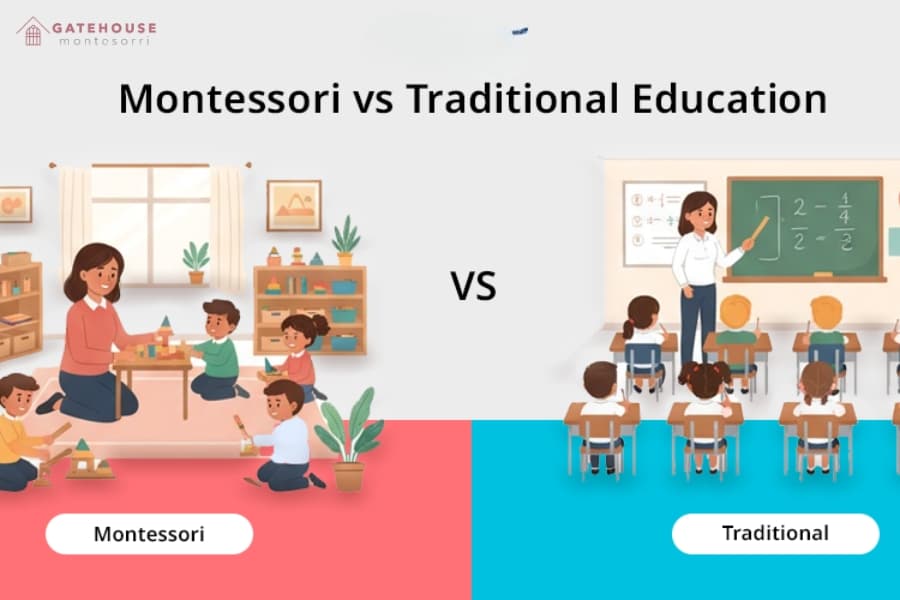
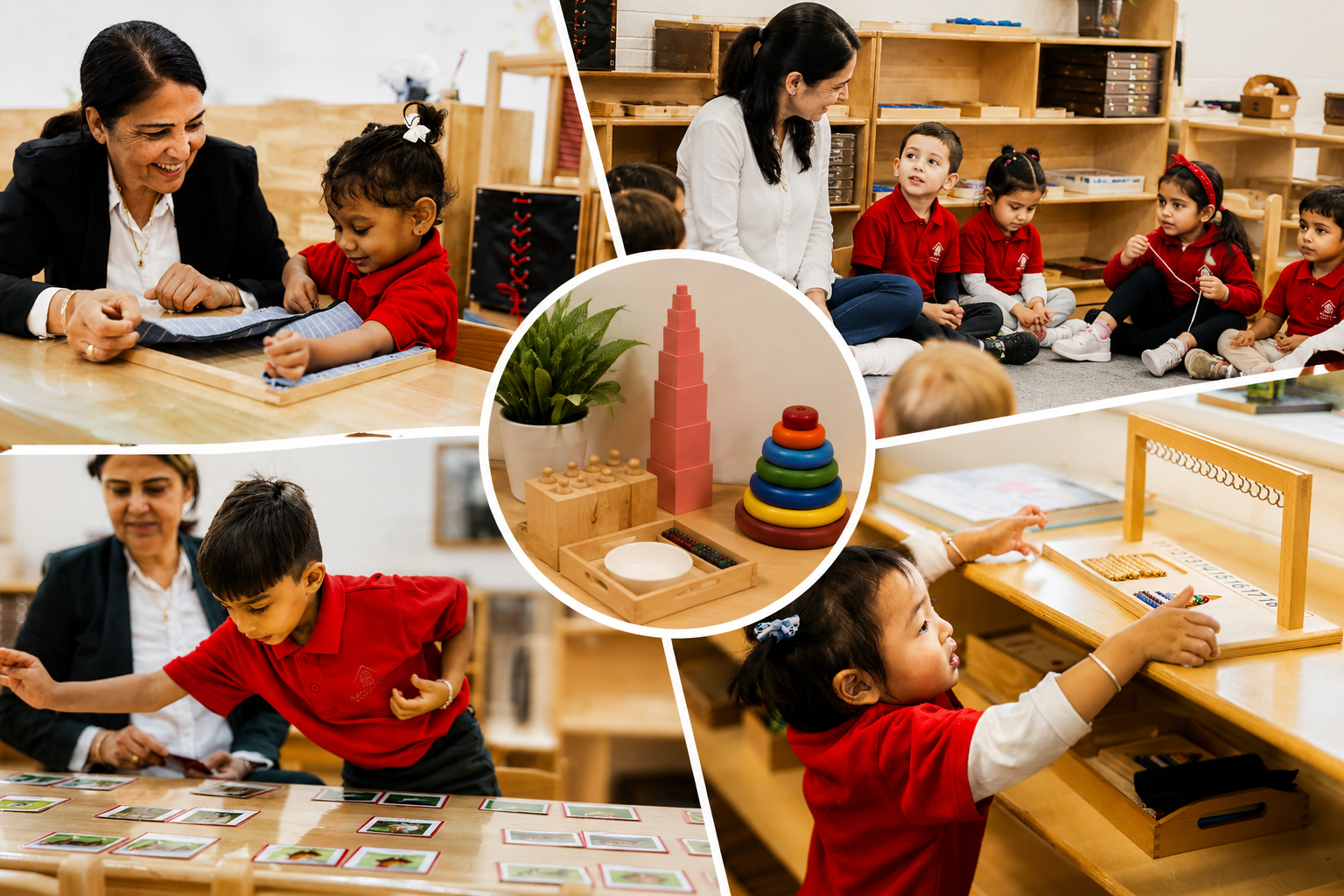
Developed by Dr Maria Montessori, the approach is based on careful observation of how children actually learn. Classrooms are prepared with specific materials, mixed-age groups, and long stretches of uninterrupted work time. Teachers act as guides rather than lecturers. Children choose activities within clear limits and work at their own pace.
The result is an environment that feels calm, purposeful and respectful. The following ten benefits grow directly from this structure.
1. Strong Independence and Self-Confidence
One of the most visible Montessori education benefits is the growth of independence. From an early age, children practise practical life skills: pouring water, preparing simple snacks, dressing themselves, tidying their workspace and caring for the environment.
These activities are not chores. They are meaningful work that shows children they are capable. As they master everyday tasks, their confidence rises. Parents often notice that Montessori children become more willing to try new things and less reliant on constant adult help at home.
2. Deep Concentration and Focus
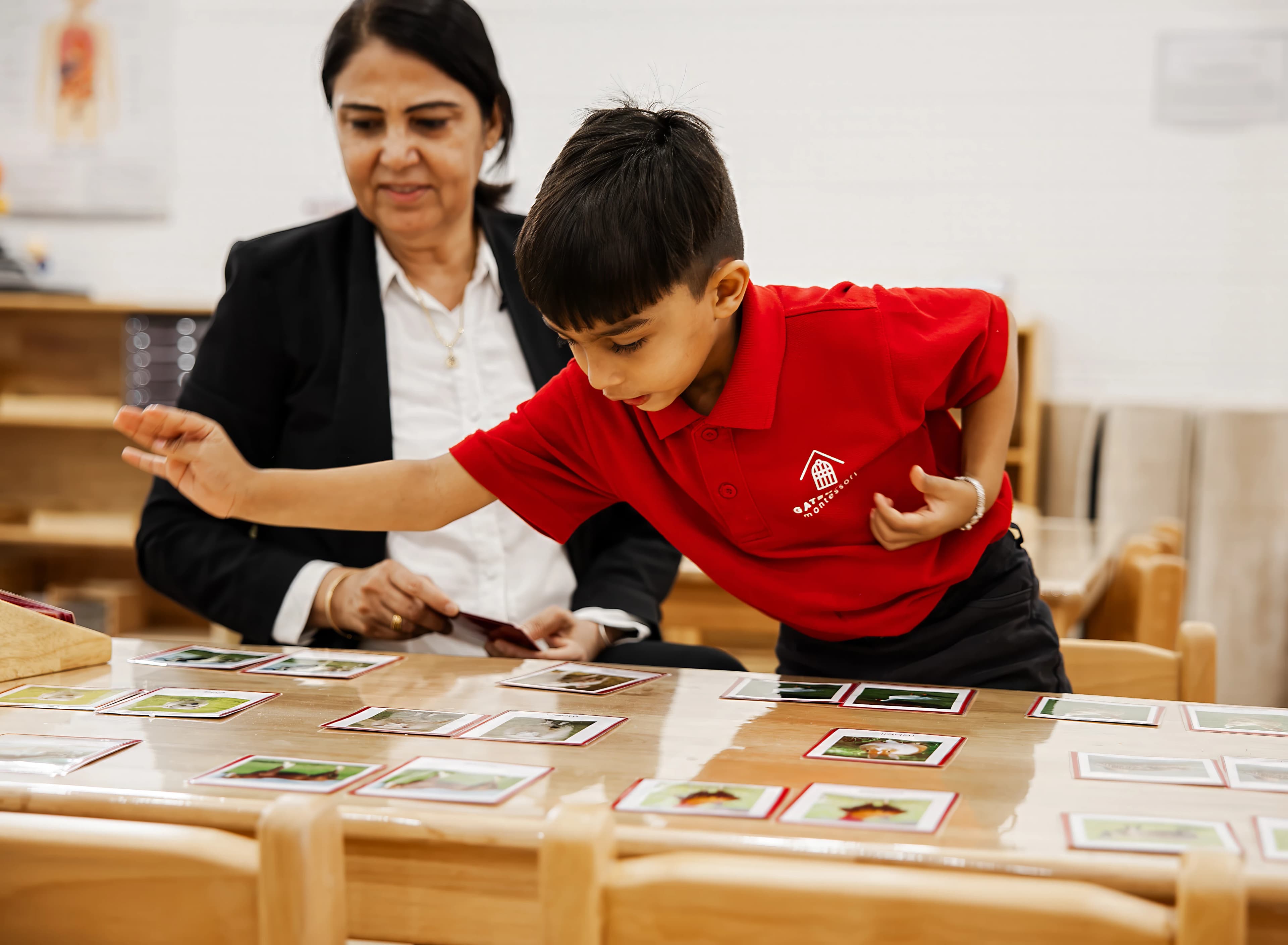
Modern life is full of distractions. Montessori classrooms protect concentration by offering long, uninterrupted work periods. Children can stay with a chosen activity for as long as they need.
The specially designed materials also invite focus. Many are self-correcting, so the child can see and fix mistakes independently. Over time, this builds the ability to concentrate deeply — a skill that supports later academic learning and everyday problem-solving.
3. Learning at the Child’s Own Pace
In a traditional group setting, the whole class often moves together. In Montessori, each child follows an individual path. A child who is ready for more advanced language or mathematics work can progress, while another who needs more time with earlier concepts is not rushed.
This respect for individual timing reduces frustration and boredom. It also allows educators to observe carefully and offer the next challenge at the right moment. The result is learning that feels natural rather than forced.
4. Hands-On, Concrete Understanding
Young children learn best through their senses and movement. Montessori materials make abstract ideas concrete. Children feel the difference between rough and smooth, build the decimal system with golden beads, or trace sandpaper letters while saying the sound.
This multi-sensory approach creates strong mental images. When children later meet the same concepts on paper, they already understand them from real experience. The learning sticks because it began with the hands and the senses.
5. Intrinsic Motivation Instead of Rewards and Punishments
Montessori environments minimise external rewards such as stickers or public praise for every small achievement. Instead, the satisfaction comes from the work itself — completing a puzzle, caring for a plant, or helping a younger child.
This builds intrinsic motivation. Children learn to work for the pleasure of mastery and contribution rather than for adult approval. Over time, this supports resilience and a genuine love of learning.
6. Positive Social Skills Through Mixed-Age Groups
Most Montessori classrooms group children across a three-year age span. Younger children learn by watching older ones. Older children reinforce their own knowledge by helping younger peers and develop patience and leadership.
Grace and courtesy lessons teach practical social skills: how to interrupt politely, offer help, walk around someone’s work, and resolve small conflicts. The classroom becomes a small community where respect is practised daily.
7. Practical Life Skills for Everyday Independence
Practical life activities form a core part of the early childhood curriculum. Children learn to care for themselves, others and the environment. They practise buttoning, food preparation, cleaning, gardening and organisation.
These skills transfer directly to home life. Parents frequently report that children become more helpful, orderly and capable with daily routines. The confidence gained here supports emotional security as well as independence.
8. A Genuine Love of Learning
Because children choose work that interests them and experience success at their own level, learning feels enjoyable rather than pressured. Curiosity is protected and encouraged.
Many families notice that Montessori children ask thoughtful questions, explore topics deeply, and continue learning outside formal lessons. This internal drive is one of the most valuable long-term Montessori learning advantages.
9. Emotional Regulation and Respectful Relationships
The calm, ordered environment and clear expectations help children develop self-regulation. They learn to wait, take turns, and manage frustration with support rather than constant adult intervention.
Teachers model respectful language and peaceful problem-solving. Children absorb these patterns and begin to use them with peers. The atmosphere tends to feel more peaceful than highly competitive or chaotic settings.
10. Strong Foundation for Future Learning
While Montessori is not focused on early drilling of academic content, children often develop solid foundations in literacy, numeracy and scientific thinking through the materials and daily work.
More importantly, they develop the underlying capacities that support all future learning: concentration, independence, organisation, curiosity and confidence. These skills serve children well whether they continue in Montessori or move into mainstream schooling.
Who Benefits Most from Montessori Education
The method suits a wide range of children, including those who:
Thrive with hands-on activity and movement
Need time to concentrate without constant interruption
Benefit from clear structure combined with freedom of choice
Are ready for increasing independence
Respond well to calm, respectful adult guidance
Children with different temperaments and learning styles can flourish when the environment and the guide are well matched to their needs. A visit to a classroom remains the best way to sense the fit for your own child.
Practical Considerations for Parents
When exploring Montessori options, look for:
Trained Montessori educators
Authentic materials and a carefully prepared environment
Uninterrupted work cycles
Mixed-age groupings
Clear communication with families
Ask how the centre balances the philosophy with the practical needs of working parents, such as hours of care and daily routines. Observing a classroom in action will tell you more than any brochure.
FAQs
What are the main benefits of Montessori education?
The main benefits include greater independence, stronger concentration, learning at an individual pace, hands-on understanding, intrinsic motivation, positive social skills, practical life abilities, a love of learning, emotional regulation, and a solid foundation for future education.
Is Montessori only for certain types of children?
No. The method is designed to meet a wide range of developmental needs. The key is a well-prepared environment and responsive educators.
Does Montessori prepare children for traditional school?
Yes. Children typically develop strong concentration, independence and foundational academic skills that transfer well. Many families report smooth transitions.
How is Montessori different from regular preschool or childcare?
Montessori emphasises self-directed work with specialised materials, mixed-age groups, long uninterrupted periods, and teachers as guides rather than directors of group lessons.
At what age can children start Montessori?
Many centres offer programs from toddler age through the early primary years. The classic early childhood cycle is roughly ages three to six.
Is Montessori too structured or too free?
It offers freedom within clear limits. Children choose activities but work within a prepared environment and with guidance that keeps the classroom purposeful and respectful.